
Tag: menstrual health

  • The quiet truth about Christmas stress  & how to gently minimise it

    The quiet truth about Christmas stress  & how to gently minimise it

    Christmas is painted as a season of magic… twinkly lights, cosy moments, perfect memories.

    But for so many women — especially in perimenopause and post menopause — it can feel like pressure wrapped in tinsel.

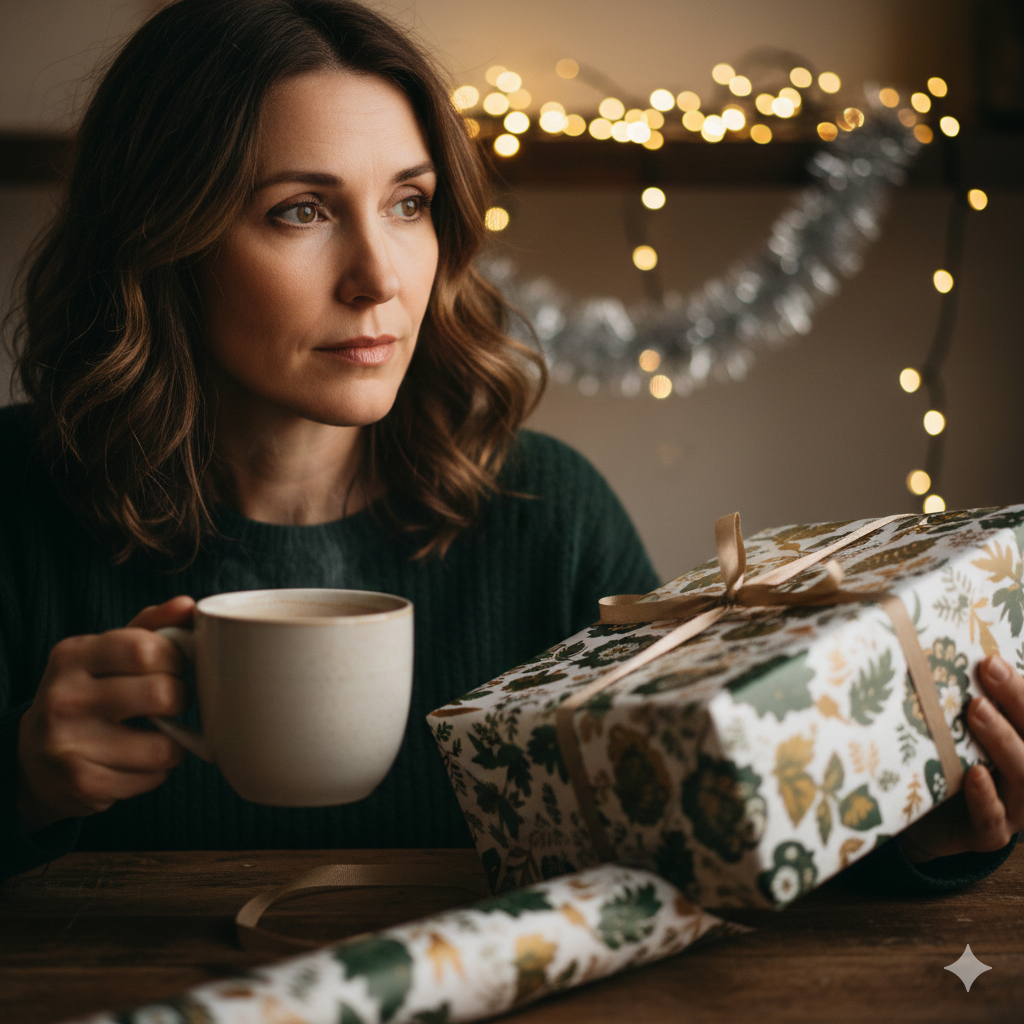
    There’s the emotional load, the mental load, the organising, the hosting, the shopping, the remembering. And all of that lands on top of the hormonal shifts that already make your nervous system more sensitive.

    If you’ve ever found yourself on the verge of tears because you still haven’t wrapped the gifts, or feeling resentful because everyone else seems relaxed while you’re carrying the entire season… you are absolutely not alone.

    Let’s talk about why Christmas feels so stressful, and how you can gently dial it down this year.

    Why Christmas can feel heavier during perimenopause

    Your stress bucket is already fuller

    Fluctuating hormones mean your body’s stress response is more reactive. What you used to take in your stride now feels bigger, louder, more intense. Add Christmas expectations on top… and the bucket can overflow.

    The invisible labour intensifies

    You are probably the one thinking:

    • What food do we need?
    • Where are the spare gift tags?
    • Who’s getting what?
    • Do we have enough chairs?

    This constant mental spinning is exhausting.

    Old patterns meet new limits

    You might still be trying to meet the standards of a woman you no longer are — the one with more energy, more bandwidth, more capacity.

    But your body is asking for something different now.

    How to gently minimise Christmas stress this year

    1. Lower your standards — intentionally

    Not everything needs to be perfect.

    Good enough is truly enough.

    Choose one area you can simplify — gifts, food, wrapping, decorations — and let it be lighter.

    2. Share the load (even if it feels uncomfortable)

    Ask your partner, kids, siblings, or friends to take on clear tasks.

    Not “help me with the food” but “can you make the starter?”

    Not “I need support” but “can you wrap these three gifts?”

    Delegating isn’t a weakness — it’s a way of preserving your nervous system.

    3. Build in micro-rest pockets

    Instead of waiting for a big break that never arrives, give yourself tiny moments:

    A 5-minute breather in the bathroom

    A quick walk outside

    Two minutes with your feet up

    Breathing exercises while the kettle boils

    These small pauses reset your stress hormones far more than you think.

    4. Decide what you’re not doing this year

    This is powerful.

    You don’t have to attend every event.

    You don’t have to bake if you hate baking.

    You don’t have to do Christmas exactly as you’ve always done it.

    Letting go makes room for ease.

    5. Nourish your body so it can hold you

    Your nervous system is more stable when:

    You eat regularly

    You avoid skipping meals

    You prioritise protein

    You keep hydrated (yes, even when it’s freezing!)

    Stable blood sugar = fewer stress spikes = a calmer Christmas.

    6. Protect your quiet moments

    Even during the busiest week, you’re allowed space just for you.

    A bath, a chapter of your book, a walk alone, a cup of tea in silence.

    These aren’t luxuries — they’re regulation.

    A Christmas that feels like you

    Christmas doesn’t have to feel frantic, overwhelming or heavy.

    It can be slower.

    Softer.

    More grounded.

    More aligned with the woman you are now — not the woman you were 10 years ago.

    You get to choose what you carry.

    You get to choose what you put down.

    And you get to create a Christmas that feels nourishing rather than draining.

    Wishing you a calmer, gentler festive season — with more joy, more presence, and far less pressure. You’ve absolutely earned that.
  • How my menopause journey led me to Meno Alchemist

    How my menopause journey led me to Meno Alchemist


    My menopause story

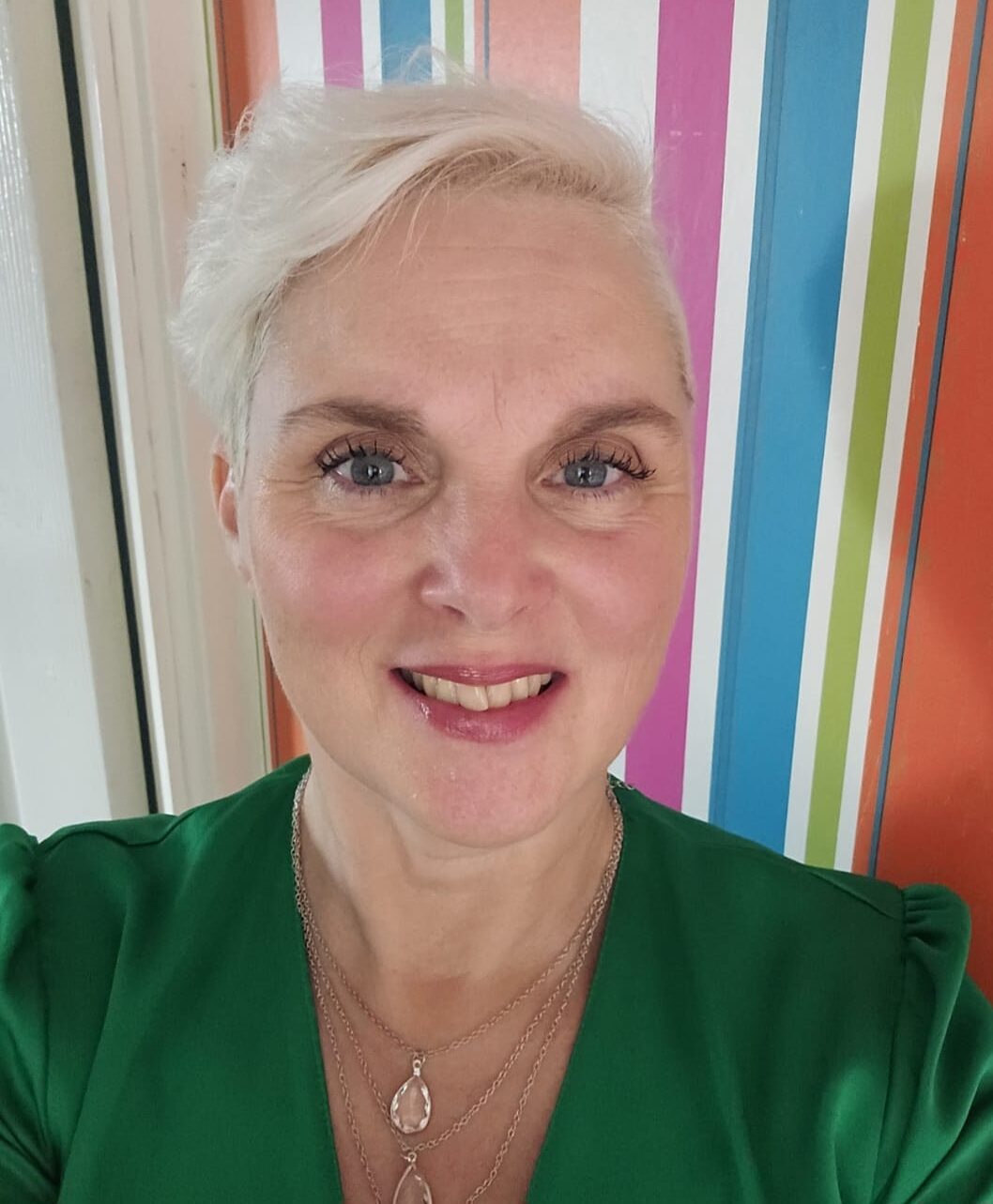
    I believe true understanding often comes from lived experience, and my own journey through perimenopause was certainly a powerful teacher. It was a time of immense challenge that ultimately led me to create Meno Alchemist, so that no other woman has to navigate this path feeling as lost as I once did.

    When my life fell apart… and menopause wasn’t even on the radar

    For years, I was completely unaware of menopause. Throughout my 40s, it wasn’t something that had ever been discussed with me by anyone, and honestly, it just wasn’t on my radar. I didn’t experience the typical hot flashes, night sweats, or any of the other symptoms I associated with menopause.

    Then, life took an incredibly difficult turn. Alongside what I now know was perimenopause, my children left home, my relationship broke down, and an accident left me unable to do my job. My life, as I knew it, simply fell apart. I was unable to function in any capacity. I was diagnosed with depression, anxiety, and panic attacks, but deep down, I knew it was so much more profound than just those labels. All my coping strategies crumbled, and I felt utterly unable to cope with my life or the rapidly changing world around me.

    Years of misunderstood symptoms

    I spent eight to ten years suffering. I experienced persistent depression, overwhelming anxiety, constant panic attacks, and a profound feeling of disconnect from myself and the world. My mood became so low, and I felt like such a burden because of poor memory and an inability to make even simple decisions, that there were times I no longer wanted to be here. I couldn’t even drive or leave the house alone.

    The most startling thing? At no point during those challenging years did I realise any of this was perimenopause.

    The pieces finally fell into place

    It wasn’t until I was 51 years old and hadn’t had a period for 12 months that the puzzle pieces finally started to click. Looking back, I can now clearly see that my symptoms, which felt so confusing and overwhelming at the time, had actually begun in my early 40s, possibly even as early as my late 30s.

    What truly surprised me about my menopause journey was my complete lack of knowledge. Because I didn’t have the “typical” symptoms, I was dismissed by the medical profession and, crucially, by myself. I genuinely didn’t realise that symptoms like debilitating depression, anxiety, and panic attacks could be intimately related to perimenopause.

    Finding my path to well-being

    Since the treatments I was receiving for depression and anxiety weren’t working – in fact, I was getting worse – I sought out a private gynaecologist. That appointment was a turning point. She finally explained menopause to me and discussed Hormone Replacement Therapy (HRT) as a potential option. I had already begun making some adjustments to my diet and exercise, and I truly feel these changes had a significant positive impact.

    My biggest regret is wishing I had known earlier how much these things could help, as I would have started them so much sooner.

    What I wish I’d known sooner

    If I could turn back time, I wish I’d known about the menstrual health timeline. It would have allowed me to make proactive adjustments to my life long before any of my debilitating symptoms began.

    I wish I had understood the profound impact that lifestyle choices have on how you experience both your menstrual cycle and menopause. Most of all, I wish I had had a clear picture of what to expect and what perimenopause could really look like, beyond just hot flashes.

    A message to younger menstruators

    To all younger menstruators, I want you to know this:

    The changes you make during your menstruating years can profoundly impact how you experience menopause decades later. I truly wish I’d understood more about what our bodies go through during our menstrual cycle and throughout perimenopause. Equipping yourself with this knowledge early on is one of the most powerful steps you can take for your future self.

    My own journey has shown me the immense power of understanding and holistic support. This is why I’m here at Meno Alchemist – to ensure you have the guidance, knowledge, and community I wish I’d had.