
Perimenopause has a way of making you feel like your body has quietly rewritten the rulebook overnight. Foods you’ve always tolerated suddenly leave you bloated, tired, wired, or craving more. Energy dips feel sharper. Sleep can become elusive. And your mood? Let’s just say it can feel less predictable than it used to.
If this sounds familiar, you’re not imagining it – and you’re certainly not doing anything wrong.
One of the most supportive shifts you can make during this time isn’t about restriction or perfection. It’s about gently moving away from ultra-processed foods and back towards whole, nourishing foods that your body recognises and knows how to use.
Let’s talk about why that matters.
What are ultra-processed foods, really
Ultra-processed foods are those that have been heavily altered from their original form. They often contain additives, preservatives, artificial flavours, emulsifiers, and refined sugars or oils—things your body doesn’t quite know what to do with.
They’re designed to be convenient, hyper-palatable, and long-lasting. But they’re not designed to support a hormonally shifting body.
And during perimenopause, your body becomes far less tolerant of that mismatch.
Why ultra-processed foods can feel harder in perimenopause
Blood sugar rollercoasters become more intense
Hormonal changes—particularly fluctuations in oestrogen and progesterone—can affect how your body regulates blood sugar.
Ultra-processed foods tend to spike blood sugar quickly, followed by a crash. That crash can feel like:
- Sudden fatigue
- Irritability or anxiety
- Cravings (especially sugar or carbs)
- Brain fog
Sound familiar?
When your nervous system is already a bit more sensitive, these swings can feel amplified.
Increased inflammation
Perimenopause is often a more inflammatory state. Ultra-processed foods can add fuel to that fire, contributing to:
- Joint aches
- Digestive discomfort
- Skin changes
- General “puffy” or sluggish feelings
It’s not about one meal, it’s the cumulative effect over time.
Gut health takes a hit
Your gut and your hormones are in constant conversation.
Ultra-processed foods can disrupt the balance of your gut microbiome, which plays a role in:
- Hormone metabolism
- Mood regulation
- Immune function
If your gut is struggling, your whole system feels it.
They crowd out the nutrients you actually need
During perimenopause, your body has an increased need for key nutrients like:
- Protein
- Fiber
- Magnesium
- Omega-3 fats
- B vitamins
Ultra-processed foods tend to be low in these and high in “empty” calories, meaning your body is working harder while getting less of what it needs.
So why focus on whole foods?
This isn’t about being “good” or “clean.” It’s about giving your body something steady to stand on.
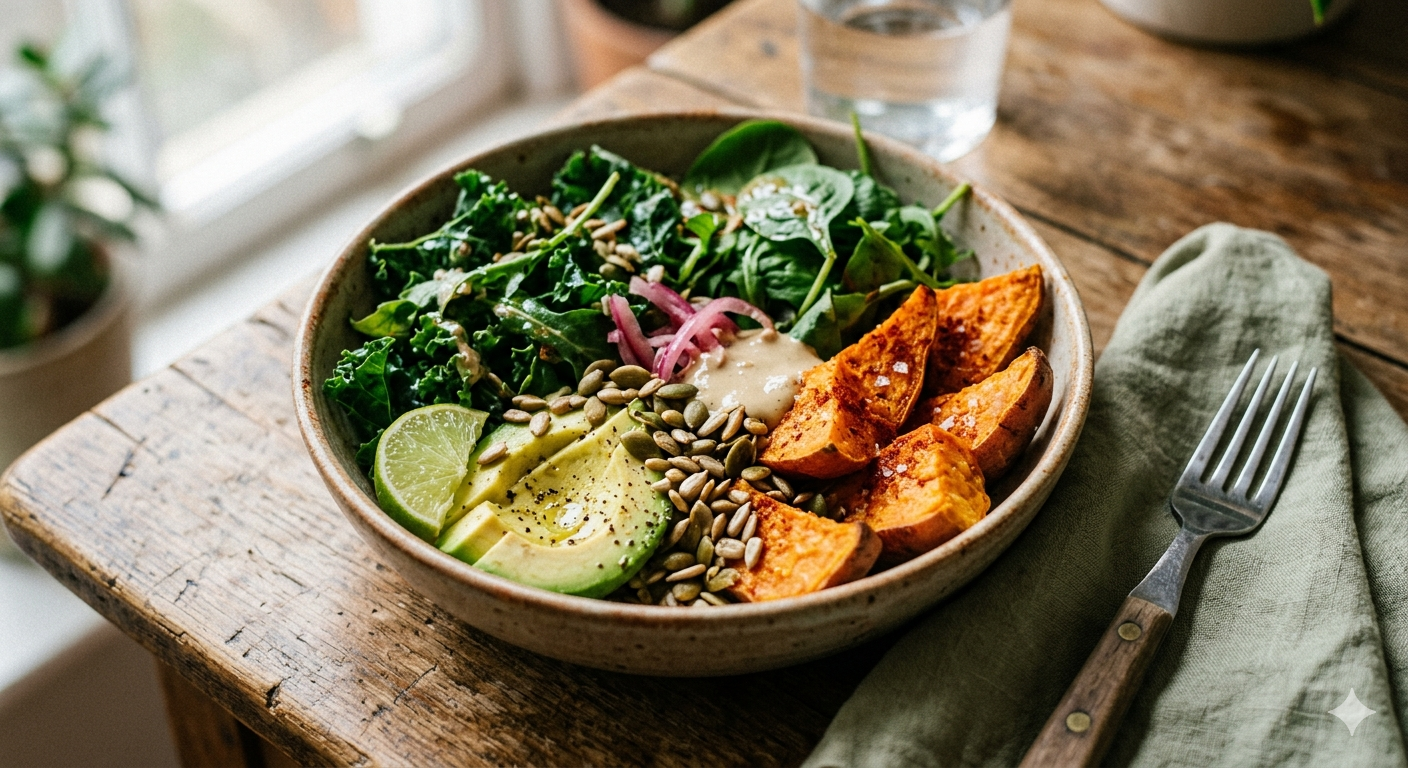
Whole foods—things like vegetables, fruits, whole grains, legumes, nuts, seeds, quality proteins, and healthy fats—offer:
Steadier energy
Balanced meals help regulate blood sugar, meaning fewer crashes and more consistent energy.
Hormonal support
Certain nutrients support hormone production, detoxification, and balance.
Better digestion
Fiber feeds your gut bacteria, helping everything from bloating to mood.
Reduced inflammation
Whole foods naturally contain antioxidants and anti-inflammatory compounds.
A sense of calm in the body
And this one matters more than we often acknowledge—when your body feels nourished, your nervous system often softens too.
This is not about perfection
Let’s be really clear here: you do not need to eliminate every ultra-processed food to feel better.
Perimenopause is not the time for rigid rules or all-or-nothing thinking. That tends to backfire, especially if you’re also navigating ADHD or feeling already overwhelmed.
Instead, think in terms of addition before restriction.
What can you gently add in
- A protein-rich breakfast to start the day more steadily
- A handful of nuts or seeds alongside a snack
- Swapping one ultra-processed meal for something simple and whole
- Adding colour to your plate (even just one extra veg counts)
Small shifts, done consistently, create real change.
A softer way to think about food in perimenopause
Rather than asking, “What should I cut out?”
Try asking, “What would help my body feel more supported today?”
That question invites curiosity instead of pressure.
Because this stage of life isn’t about shrinking yourself, controlling everything, or getting it “perfect.”
It’s about learning to work with your body as it changes.
The bottom line
Reducing ultra-processed foods during perimenopause isn’t about restriction—it’s about relief.
Relief from energy crashes.
Relief from constant cravings.
Relief from feeling like your body is fighting you.
And moving towards whole foods?
That’s not a diet. That’s support.
Gentle, steady, nourishing support—exactly what your body is asking for right now.