Tag: meno alchemist

  • Reducing your toxic load: a gentle way to support hormones & overall health

    Reducing your toxic load: a gentle way to support hormones & overall health

    When we talk about hormones, we often jump straight to HRT, supplements, or blood tests.

    But there’s another piece of the puzzle that doesn’t get talked about enough — toxic load.

    Every day, our bodies are exposed to small amounts of chemicals from food, skincare, cleaning products, plastics, and even stress itself. Individually these exposures might seem insignificant, but collectively they can place extra strain on the body, particularly the liver, which plays a key role in hormone regulation.

    When the liver is overloaded, hormones like oestrogen may not be processed or cleared as efficiently. And during perimenopause and menopause, when hormones are already fluctuating, this can contribute to symptoms feeling louder, heavier, and harder to manage.

    The good news?

    Reducing toxic load doesn’t mean living a perfectly “clean” life. It’s about small, compassionate shifts that support your body rather than overwhelm it.

    Here are some gentle, realistic ways to begin.

    Eat organic (where you can)

    Choosing organic food can help reduce exposure to pesticides and herbicides that can interfere with hormone balance.

    If buying everything organic feels unrealistic (and for many of us, it is), focus on the “dirty dozen” — foods that tend to carry the highest pesticide residues, such as:

    • Strawberries
    • Spinach
    • Apples
    • Grapes

    Start there if budget or access is limited.

    And yes — many people swear they taste better too 😉.

    Remember: doing what you can is enough. This isn’t about perfection.

    Ditch the chemicals in personal care

    Our skin is incredibly absorbent, which means what we put on our bodies matters just as much as what we put in them.

    Many conventional products contain ingredients like:

    • Parabens
    • Phthalates
    • Sulfates

    These can act as endocrine disruptors – chemicals that interfere with hormone signaling.

    You don’t need to overhaul your bathroom overnight. Start with one product:

    • Deodorant
    • Body lotion
    • Face wash

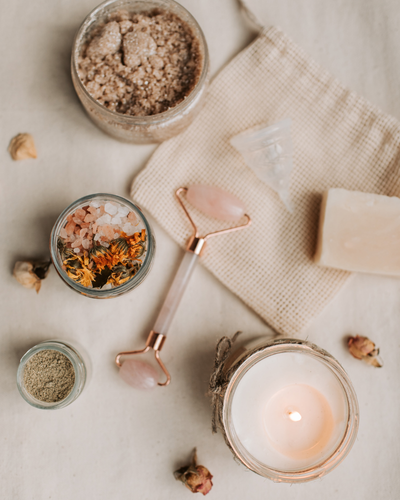
    Check labels, choose simpler formulations, or even have a little fun making your own (hello, DIY face masks 💚).

    Small swaps add up.

    Support your liver (your hormonal workhorse)

    Your liver works tirelessly behind the scenes to process hormones, toxins, and metabolic waste. Supporting it can make a real difference to how your body copes with hormonal change.

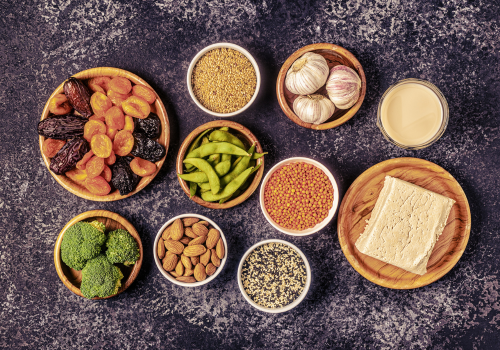
    Foods that love your liver include:

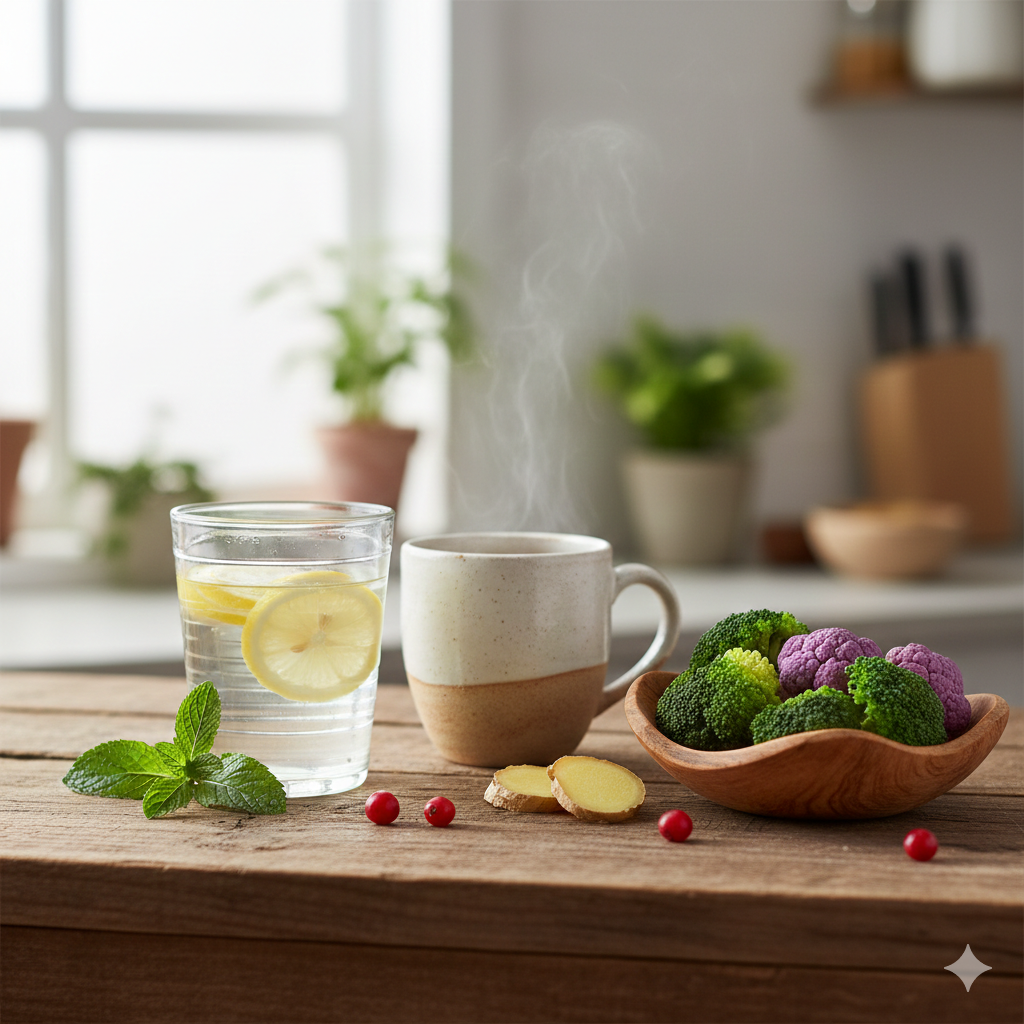
    • Leafy greens
    • Berries
    • Cruciferous vegetables like broccoli and cauliflower
    • Turmeric

    You don’t need complicated detoxes or cleanses — your body already knows how to detox. It just needs the right nourishment and support to do its job well.

    Sweat it out (gently)

    Sweating is one of the ways the body releases toxins — and it doesn’t have to mean intense workouts.

    Think:

    • Walking
    • Gentle exercise
    • Stretching
    • Saunas (if suitable for you)

    The goal isn’t punishment. It’s movement that supports circulation, lymphatic flow, and nervous system regulation.

    If your energy is low (hello perimenopause), honor that. Even a short walk counts.

    Manage stress — it’s part of toxic load too

    This one often surprises people, but stress is a toxin.

    Chronic stress places a huge burden on the body, impacts hormone balance, and diverts energy away from detoxification and repair.

    Reducing stress might look like:

    • Yoga or gentle movement
    • Meditation or breathwork
    • Sitting with a book
    • Saying no more often
    • Doing less — unapologetically 🌸

    Nervous system support is hormonal support.

    A final gentle reminder

    Reducing toxic load isn’t about fear or restriction.

    It’s about working with your body, not against it — especially during times of hormonal transition.

    Choose one small thing.

    Let it be enough.

    And trust that these seemingly simple shifts can have a powerful ripple effect over time.

    If you’d like personalized support around hormones, perimenopause, ADHD, or understanding what your body needs right now, that’s exactly what I’m here for.

    Is your ‘stress bucket’ overflowing? Your body is designed to heal, but sometimes it just needs the right support to do its job.

    If you’re ready to move from ‘surviving’ your symptoms to thriving in your next chapter, I’m here to guide the way.

    You agree to privacy and terms.

  • Let’s talk real about self care

    Let’s talk real about self care

    After attending a networking group recently, I have felt compelled to write about this topic.

    Let’s be real for a second… self-care often gets treated like the sprinkles on top of life. Cute, nice-to-have, but totally optional. But here’s the truth I learned the hard way: ignoring your wellbeing comes with a cost — and its way more expensive than you think. If you don’t listen to your body when it whispers it will start shouting.

    Here’s a story – Once upon a time, you are “killing it” at work. On paper, your life looked shiny and successful. Behind the scenes? You are running on fumes. Anxious, restless, completely wiped out. Eventually, your body hit the brakes for you. You might end up spending months in bed, and over a year unable to work. Zero energy. Zero income. Zero joy. Honestly, it will be a wake-up call you will never forget.

    That’s why I’m so passionate about this: self-care isn’t a luxury. It’s survival. And when we skip it, here’s what usually happens:

    ✨ We “unwind” with wine instead of actually relaxing.

    ✨ We shop to feel better instead of moving our bodies.

    ✨ We scroll for hours instead of processing our emotions.

    ✨ We snap at people we love because our own boundaries are frayed.

    ✨ We guzzle coffee because we refuse to give ourselves the rest we need.

    That’s not care — that’s compensation. And it drains us more than it restores us.

    So, let me ask you this: are you choosing habits that genuinely fill you up, or are you just patching over the cracks? Real self-care isn’t about bubble baths or spa days (though those are lovely). It’s about tending to your mental, emotional, physical, and spiritual health every day. It’s about making sure you stay whole — because burnout, illness, and resentment are a much higher price to pay.

    Self-care is not the side dish. It’s the main course. And choosing it daily? That’s where your energy, joy, and resilience come from. It’s hard to take time for yourself when you have always done for others but if you don’t by the time you get to perimenopause you will feel it and wish you had done more earlier.

    Does this resonate? Get in touch or join my Facebook group to chat more.

  • How my menopause journey led me to Meno Alchemist

    How my menopause journey led me to Meno Alchemist


    My menopause story

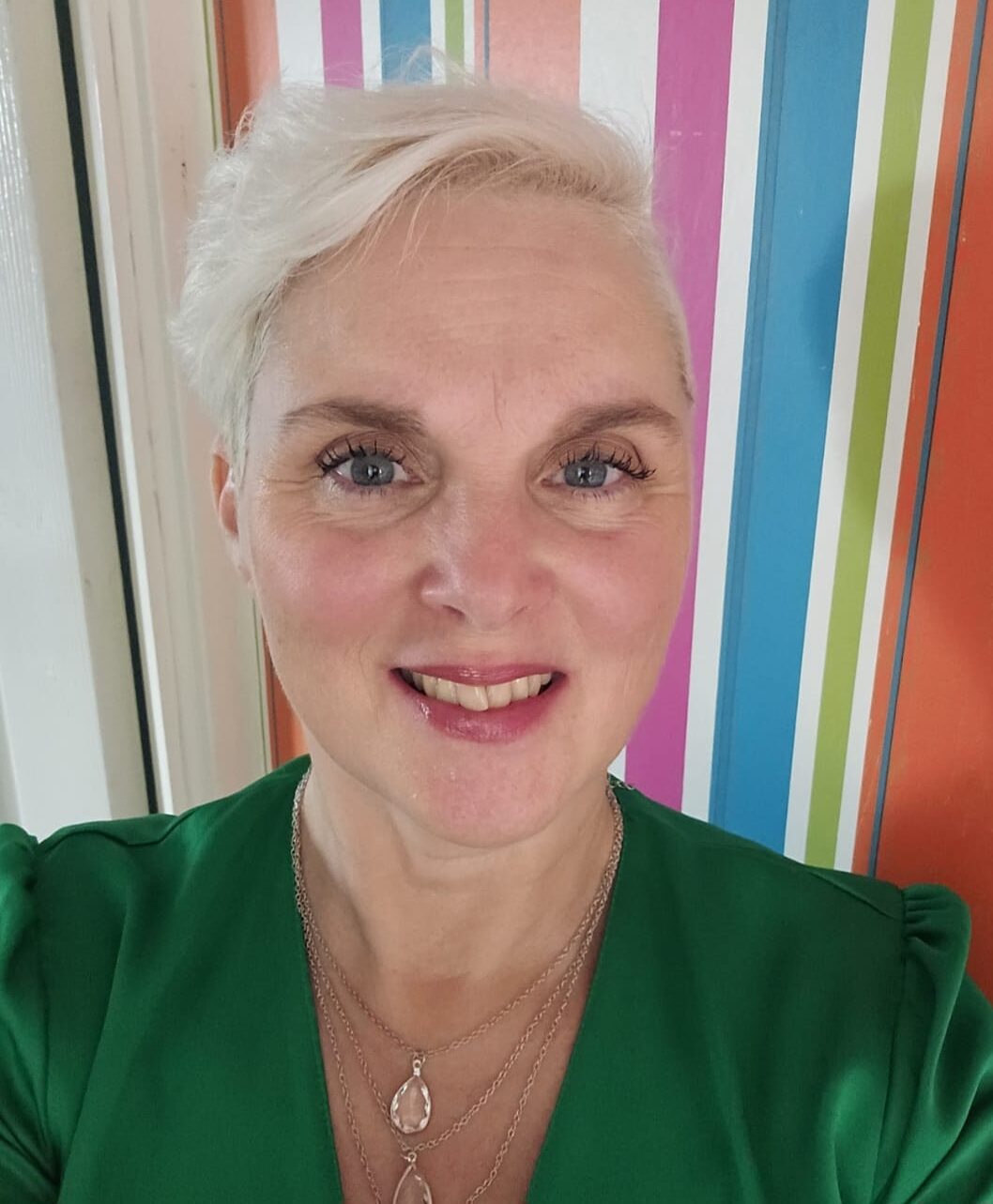
    I believe true understanding often comes from lived experience, and my own journey through perimenopause was certainly a powerful teacher. It was a time of immense challenge that ultimately led me to create Meno Alchemist, so that no other woman has to navigate this path feeling as lost as I once did.

    When my life fell apart… and menopause wasn’t even on the radar

    For years, I was completely unaware of menopause. Throughout my 40s, it wasn’t something that had ever been discussed with me by anyone, and honestly, it just wasn’t on my radar. I didn’t experience the typical hot flashes, night sweats, or any of the other symptoms I associated with menopause.

    Then, life took an incredibly difficult turn. Alongside what I now know was perimenopause, my children left home, my relationship broke down, and an accident left me unable to do my job. My life, as I knew it, simply fell apart. I was unable to function in any capacity. I was diagnosed with depression, anxiety, and panic attacks, but deep down, I knew it was so much more profound than just those labels. All my coping strategies crumbled, and I felt utterly unable to cope with my life or the rapidly changing world around me.

    Years of misunderstood symptoms

    I spent eight to ten years suffering. I experienced persistent depression, overwhelming anxiety, constant panic attacks, and a profound feeling of disconnect from myself and the world. My mood became so low, and I felt like such a burden because of poor memory and an inability to make even simple decisions, that there were times I no longer wanted to be here. I couldn’t even drive or leave the house alone.

    The most startling thing? At no point during those challenging years did I realise any of this was perimenopause.

    The pieces finally fell into place

    It wasn’t until I was 51 years old and hadn’t had a period for 12 months that the puzzle pieces finally started to click. Looking back, I can now clearly see that my symptoms, which felt so confusing and overwhelming at the time, had actually begun in my early 40s, possibly even as early as my late 30s.

    What truly surprised me about my menopause journey was my complete lack of knowledge. Because I didn’t have the “typical” symptoms, I was dismissed by the medical profession and, crucially, by myself. I genuinely didn’t realise that symptoms like debilitating depression, anxiety, and panic attacks could be intimately related to perimenopause.

    Finding my path to well-being

    Since the treatments I was receiving for depression and anxiety weren’t working – in fact, I was getting worse – I sought out a private gynaecologist. That appointment was a turning point. She finally explained menopause to me and discussed Hormone Replacement Therapy (HRT) as a potential option. I had already begun making some adjustments to my diet and exercise, and I truly feel these changes had a significant positive impact.

    My biggest regret is wishing I had known earlier how much these things could help, as I would have started them so much sooner.

    What I wish I’d known sooner

    If I could turn back time, I wish I’d known about the menstrual health timeline. It would have allowed me to make proactive adjustments to my life long before any of my debilitating symptoms began.

    I wish I had understood the profound impact that lifestyle choices have on how you experience both your menstrual cycle and menopause. Most of all, I wish I had had a clear picture of what to expect and what perimenopause could really look like, beyond just hot flashes.

    A message to younger menstruators

    To all younger menstruators, I want you to know this:

    The changes you make during your menstruating years can profoundly impact how you experience menopause decades later. I truly wish I’d understood more about what our bodies go through during our menstrual cycle and throughout perimenopause. Equipping yourself with this knowledge early on is one of the most powerful steps you can take for your future self.

    My own journey has shown me the immense power of understanding and holistic support. This is why I’m here at Meno Alchemist – to ensure you have the guidance, knowledge, and community I wish I’d had.