When we talk about hormones, we often jump straight to HRT, supplements, or blood tests.
But there’s another piece of the puzzle that doesn’t get talked about enough — toxic load.
Every day, our bodies are exposed to small amounts of chemicals from food, skincare, cleaning products, plastics, and even stress itself. Individually these exposures might seem insignificant, but collectively they can place extra strain on the body, particularly the liver, which plays a key role in hormone regulation.
When the liver is overloaded, hormones like oestrogen may not be processed or cleared as efficiently. And during perimenopause and menopause, when hormones are already fluctuating, this can contribute to symptoms feeling louder, heavier, and harder to manage.
The good news?
Reducing toxic load doesn’t mean living a perfectly “clean” life. It’s about small, compassionate shifts that support your body rather than overwhelm it.
Here are some gentle, realistic ways to begin.
Eat organic (where you can)
Choosing organic food can help reduce exposure to pesticides and herbicides that can interfere with hormone balance.
If buying everything organic feels unrealistic (and for many of us, it is), focus on the “dirty dozen” — foods that tend to carry the highest pesticide residues, such as:
- Strawberries
- Spinach
- Apples
- Grapes
Start there if budget or access is limited.
And yes — many people swear they taste better too 😉.
Remember: doing what you can is enough. This isn’t about perfection.
Ditch the chemicals in personal care
Our skin is incredibly absorbent, which means what we put on our bodies matters just as much as what we put in them.
Many conventional products contain ingredients like:
- Parabens
- Phthalates
- Sulfates
These can act as endocrine disruptors – chemicals that interfere with hormone signaling.
You don’t need to overhaul your bathroom overnight. Start with one product:
- Deodorant
- Body lotion
- Face wash
Check labels, choose simpler formulations, or even have a little fun making your own (hello, DIY face masks 💚).
Small swaps add up.
Support your liver (your hormonal workhorse)
Your liver works tirelessly behind the scenes to process hormones, toxins, and metabolic waste. Supporting it can make a real difference to how your body copes with hormonal change.
Foods that love your liver include:
- Leafy greens
- Berries
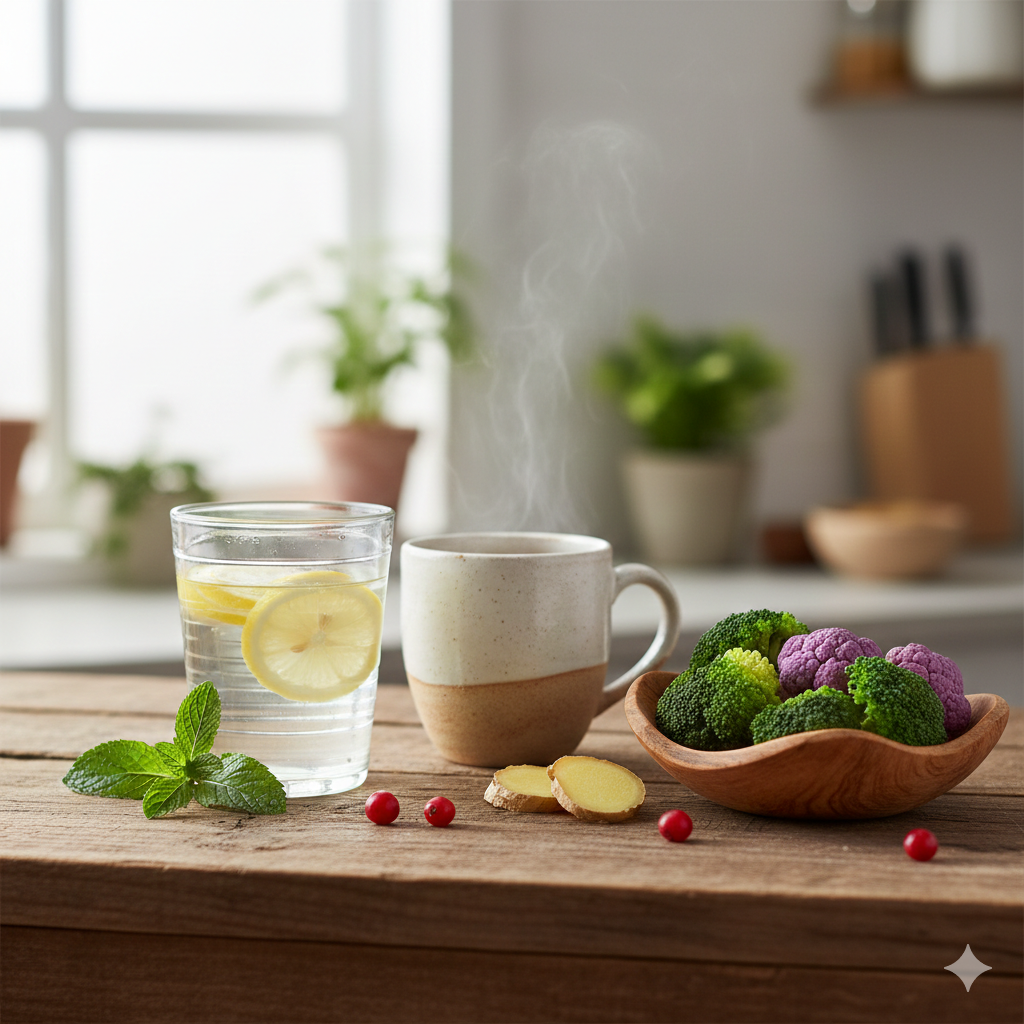
- Cruciferous vegetables like broccoli and cauliflower
- Turmeric
You don’t need complicated detoxes or cleanses — your body already knows how to detox. It just needs the right nourishment and support to do its job well.
Sweat it out (gently)
Sweating is one of the ways the body releases toxins — and it doesn’t have to mean intense workouts.
Think:
- Walking
- Gentle exercise
- Stretching
- Saunas (if suitable for you)
The goal isn’t punishment. It’s movement that supports circulation, lymphatic flow, and nervous system regulation.
If your energy is low (hello perimenopause), honor that. Even a short walk counts.
Manage stress — it’s part of toxic load too
This one often surprises people, but stress is a toxin.
Chronic stress places a huge burden on the body, impacts hormone balance, and diverts energy away from detoxification and repair.
Reducing stress might look like:
- Yoga or gentle movement
- Meditation or breathwork
- Sitting with a book
- Saying no more often
- Doing less — unapologetically 🌸
Nervous system support is hormonal support.
A final gentle reminder
Reducing toxic load isn’t about fear or restriction.
It’s about working with your body, not against it — especially during times of hormonal transition.
Choose one small thing.
Let it be enough.
And trust that these seemingly simple shifts can have a powerful ripple effect over time.
If you’d like personalized support around hormones, perimenopause, ADHD, or understanding what your body needs right now, that’s exactly what I’m here for.
Is your ‘stress bucket’ overflowing? Your body is designed to heal, but sometimes it just needs the right support to do its job.
If you’re ready to move from ‘surviving’ your symptoms to thriving in your next chapter, I’m here to guide the way.